
Hear from Our Customers
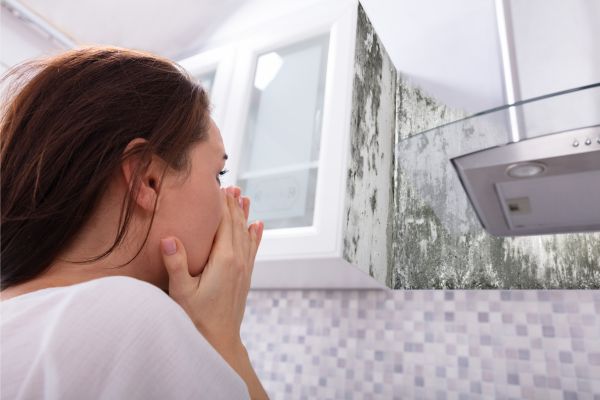
You’ve noticed the musty smell in the basement. Maybe someone’s been coughing more than usual, or you’re dealing with headaches that won’t quit. You open the closet and see something dark on the wall, but you’re not sure if it’s mold or just dirt.
Here’s what matters: mold doesn’t stay in one spot. It spreads through spores you can’t see, and in homes like yours—ranch-style, built in the 1950s, sitting in an area where 60% of properties face serious flood risk—it finds plenty of places to hide.
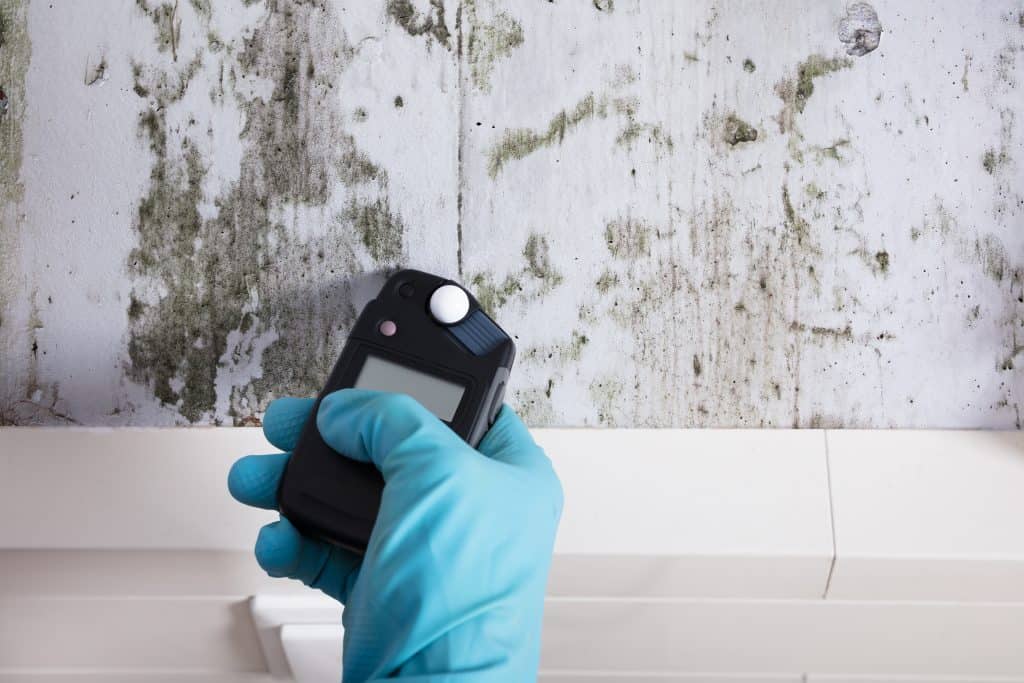
Professional mold testing tells you exactly what you’re dealing with. We use moisture meters to track water intrusion behind walls. We use infrared cameras to spot temperature differences that signal hidden growth. We test the air quality to see if spores are circulating through your HVAC system.
You get a clear report. You know if it’s toxic black mold or something less dangerous. You know where it is, how bad it is, and what needs to happen next. No more guessing. No more wondering if that cough is just allergies or something worse growing in your walls.
We’ve been serving Oaktree Hollow and the surrounding Bucks County area for years. We’re certified mold remediation specialists who’ve seen what happens when water gets into these older ranch homes—the ones with crawl spaces that flood, basements that stay damp, and ventilation systems that weren’t built for today’s humidity levels.
We’re not the cheapest option, and we won’t pretend to be. You’re paying for certified inspectors who know the difference between surface mold and a systemic moisture problem. You’re paying for equipment that finds issues before they become structural damage.
We start every job with a free initial inspection because we want you to know what you’re dealing with before you spend a dime. We work directly with insurance companies because we know how claims work and what documentation they need. And we’re available 24/7 because mold doesn’t wait for business hours.
First, we come out for a free inspection. We walk through your home and look at the obvious spots—bathrooms, basements, crawl spaces, attics. But we also check the places most people miss: behind appliances, inside HVAC ducts, under sinks, around windows where condensation builds up.
We use moisture meters on your walls and floors to find water you can’t see. We use thermal imaging cameras to spot temperature differences that indicate moisture intrusion or poor insulation that’s causing condensation. If we see visible mold, we take samples. If we don’t see anything but you’re having symptoms, we test the air quality to check for circulating spores.
The samples go to a certified lab. You get a detailed report that tells you what type of mold is present, where it’s growing, and how severe the contamination is. We explain what the results mean in plain language—no jargon, no runaround.
Then we give you a clear estimate for remediation if it’s needed. We explain what we’ll do, how long it takes, and what it costs. If your insurance covers it, we handle the paperwork and work directly with your adjuster. If you need to pay out of pocket, we offer flexible payment options because we know this isn’t something you budgeted for.
Ready to get started?
When we test for mold in Oaktree Hollow, we’re looking at your specific situation. These homes were built on small lots with limited drainage. The soil around here holds water. The Delaware River proximity means higher humidity. And after 70+ years, the original waterproofing and ventilation systems aren’t doing their job anymore.
We check your basement or crawl space for standing water, efflorescence on the concrete, or that white powdery substance that means moisture is wicking through your foundation. We inspect your HVAC system because if mold is in your ducts, it’s spreading spores every time the heat or AC kicks on. We look at your bathroom exhaust fans to make sure they’re actually venting outside and not just pushing humid air into your attic.
You get a moisture map of your home that shows where water is entering and where it’s accumulating. You get lab results that identify the exact species of mold. You get photos and documentation that satisfy insurance requirements. And you get our recommendation for what needs to happen next—whether that’s a small repair, a full remediation, or ongoing monitoring to make sure the problem doesn’t come back.
We also explain the root cause. Because if we just clean up the mold without fixing the leak, the poor drainage, or the ventilation problem, you’ll be calling us again in six months. We’d rather fix it right the first time.
Most homeowners in this area pay between $300 and $1,000 for professional mold testing, with the average around $670. The price depends on the size of your home, how many areas need testing, and whether we’re doing air quality testing in addition to surface samples.
Our initial inspection is free. We come out, assess the situation, and give you an honest answer about whether testing is even necessary. Sometimes you can see the mold clear as day, and testing is just confirming what’s obvious. Other times, you’re having symptoms but can’t find the source, and that’s when air quality testing makes sense.
If your insurance covers mold testing and remediation, we work directly with them to minimize your out-of-pocket costs. We know what documentation they need, and we make sure you get it. If you’re paying yourself, we give you an upfront estimate before we do anything, and we offer payment plans because we know this isn’t a planned expense.
In these 1950s ranch homes, we see a lot of Aspergillus, Penicillium, and Cladosporium—especially in basements, crawl spaces, and bathrooms with poor ventilation. These aren’t as dangerous as black mold, but they still cause respiratory issues, allergic reactions, and that musty smell that won’t go away.
Black mold—Stachybotrys chartarum—shows up when there’s been significant water damage or ongoing moisture problems. It’s usually dark green or black, has a slimy texture, and grows on materials with high cellulose content like drywall, wood, and ceiling tiles. It produces mycotoxins that can cause serious health problems, especially for kids, elderly family members, or anyone with a compromised immune system.
The only way to know for sure what you’re dealing with is to test it. Visual identification isn’t reliable because different mold species can look similar. We take samples, send them to a certified lab, and give you results that tell you exactly what’s growing in your home and how to handle it.
The inspection itself usually takes one to two hours depending on the size of your home and how many areas we’re checking. We’re thorough because missing a spot means missing the problem.
If we take samples—either surface samples or air quality samples—those go to a lab for analysis. You typically get results back within three to five business days. We call you as soon as we have them and walk you through what they mean.
If it’s an emergency situation—like you just discovered major water damage or someone’s having severe respiratory symptoms—we can expedite the process. We’re available 24/7 for urgent situations because mold can spread fast when conditions are right, and waiting a week isn’t always an option.
Yes, but it depends on what we find and what we do about it. Testing tells you if mold is present, what type it is, how much of it there is, and where it’s growing. That’s the diagnostic part.
Safety comes from remediation—actually removing the mold and fixing the moisture problem that caused it. If we find a small patch of mold in your bathroom because the exhaust fan isn’t working, that’s a quick fix. If we find mold throughout your basement because water’s been seeping through the foundation for years, that’s a bigger project.
The good news is that mold problems are fixable. Even serious contamination can be cleaned up if it’s done right. We follow Pennsylvania Department of Health standards for mold remediation, which means containment, proper removal, HEPA filtration, and verification testing to make sure it’s actually gone. We don’t just spray bleach on it and call it a day.
You can buy DIY mold test kits at hardware stores for $10 to $50, but they’re not reliable. They’ll tell you if mold spores are present, but mold spores are present in every home—that’s not useful information. What matters is the type of mold, the concentration, and the source.
Professional testing uses calibrated equipment and certified labs. We know where to look and what to look for. We can find mold behind walls using thermal imaging. We can measure moisture levels inside building materials. We can distinguish between active mold growth and old staining from a leak that’s already been fixed.
More importantly, we know what to do with the results. Finding mold is only half the job. You need to know if it’s dangerous, if it’s spreading, and how to remove it without making the problem worse. Disturbing mold without proper containment just sends spores into the air and spreads contamination to other areas of your home.
Don’t touch it. Don’t try to clean it yourself. And definitely don’t start tearing out drywall or pulling up carpet until you know what you’re dealing with.
If it’s a small spot—less than 10 square feet—and it’s on a hard, non-porous surface like tile or glass, you can carefully clean it with detergent and water. But if it’s on drywall, wood, carpet, or any porous material, leave it alone. Cleaning it yourself can release spores into the air and spread contamination.
Call us for a free inspection. We’ll assess the situation, test if necessary, and give you a plan. If it turns out to be minor, we’ll tell you that. If it’s serious, we’ll explain what needs to happen and give you an upfront estimate. Either way, you’ll know what you’re dealing with instead of guessing or making it worse by trying to handle it yourself.
Other Services we provide in Oaktree Hollow